In the dynamic landscape of Malaysian business, understanding the intricate interplay between Enterprise Resource Planning (ERP) systems and E-Invoicing is crucial for CEOs seeking to drive efficiency and growth.
This article delves into the significance of ERP, the transformative benefits of E-Invoicing, key implementation considerations, and best practices for seamless integration erp Malaysia.
Stay ahead of the curve and harness the power of technology to propel your organization towards success.
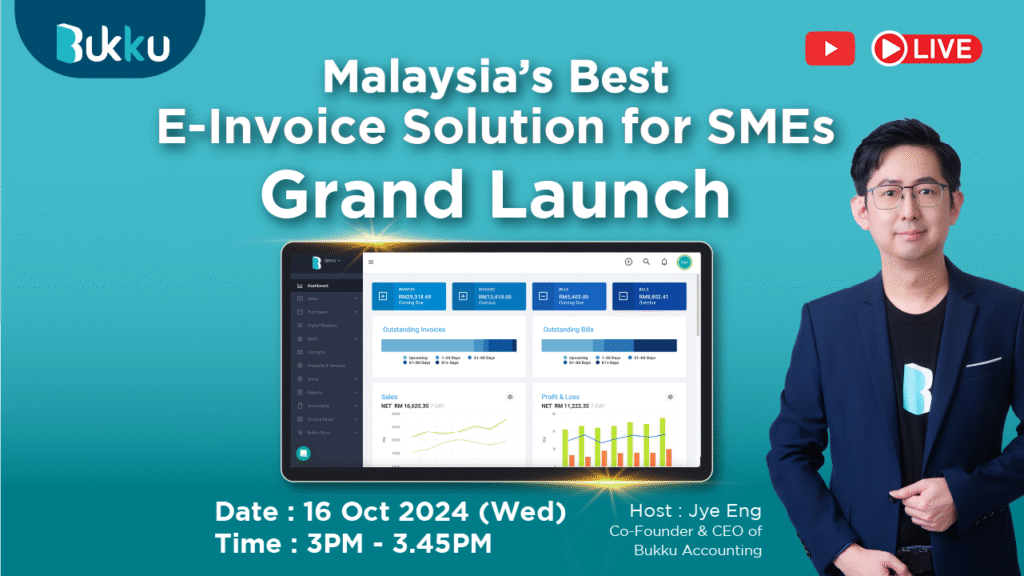
Importance of ERP Systems
Understanding the utilization of ERP systems is crucial for Malaysian CEOs aiming to enhance operational efficiency and strategic decision-making. ERP systems offer a comprehensive solution for integrating and managing core business processes, including finance https://aspert.com.my/, HR, supply chain, and customer relationship management.
By streamlining workflows and providing real-time data insights, CEOs can make informed decisions quickly and effectively. Implementing an ERP system can lead to improved productivity, cost reductions, and better resource allocation, ultimately driving business growth and competitiveness.
Malaysian CEOs must recognize the transformative potential of ERP systems in optimizing operations and fostering innovation. Embracing ERP technology empowers organizations to adapt to changing market dynamics and stay ahead of the competition, paving the way for sustainable success in the digital age.
Benefits of E-Invoicing
Transitioning from the importance of ERP systems, the integration of E-Invoicing presents Malaysian CEOs with a streamlined approach to invoice processing and financial management. E-Invoicing offers significant benefits such as cost savings through reduced paper usage, quicker invoice processing times, improved accuracy, and enhanced security of financial data.
By automating the invoicing process, businesses can minimize errors, eliminate manual tasks, and enhance overall efficiency. Additionally, E-Invoicing enables real-time tracking of invoices, providing better visibility into financial transactions and enabling faster decision-making.
With the digitization of invoicing, Malaysian CEOs can streamline their operations, improve cash flow management, and enhance relationships with suppliers and customers. Embracing E-Invoicing can lead to increased productivity and competitiveness in today’s fast-paced business environment.
Key Considerations for Implementation
Implementing E-Invoicing successfully requires meticulous planning and strategic alignment with existing ERP systems to ensure seamless integration and optimal operational efficiency for Malaysian CEOs. Key considerations for implementation include:
- Assessing current invoicing processes
- Identifying areas for improvement
- Selecting a compatible E-Invoicing solution
- Ensuring robust data security measures are in place
Malaysian CEOs should also prioritize employee training to facilitate a smooth transition and maximize the benefits of E-Invoicing. Additionally, establishing clear communication channels with stakeholders and obtaining buy-in from all departments are crucial for successful implementation.
Regular monitoring, evaluation, and adjustment of the E-Invoicing system will help Malaysian companies adapt to changing business needs and maintain competitiveness in the digital age.
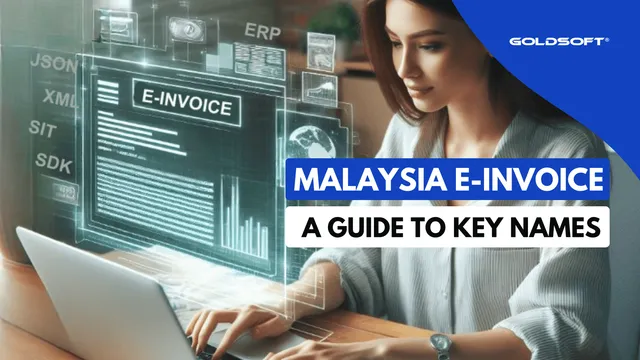
Best Practices for ERP Integration
For effective integration of ERP systems with E-Invoicing solutions, Malaysian CEOs must prioritize seamless data synchronization and interoperability. It is crucial to establish clear communication channels between the ERP system and the E-Invoicing platform to ensure real-time data exchange.
Implementing standardized data formats and protocols can facilitate smoother integration processes. Additionally, conducting thorough testing and validation procedures before full deployment can help identify and resolve any compatibility issues early on.
Regular monitoring and maintenance of the integrated system are also essential to ensure continued efficiency and effectiveness. By adhering to these best practices, Malaysian CEOs can optimize the benefits of ERP-E-Invoicing integration and streamline their business operations.
Driving Growth Through Technology
To drive growth through technology, Malaysian CEOs need to leverage innovative solutions and strategic partnerships. Embracing cutting-edge technologies such as artificial intelligence, data analytics, and cloud computing can revolutionize business operations, enhance efficiency, and unlock new revenue streams.
By implementing enterprise resource planning (ERP) systems integrated with e-invoicing capabilities, companies can streamline processes, reduce costs, and improve decision-making. Collaborating with tech-savvy partners can provide access to specialized expertise, accelerate digital transformation, and drive sustainable growth.
CEOs must foster a culture of continuous learning and adaptation to stay ahead in the rapidly evolving tech landscape. With the right technology-driven strategies in place, Malaysian businesses can thrive in the digital age and seize opportunities for expansion and innovation.
Conclusion
In conclusion, Malaysian CEOs should understand the importance of ERP systems and e-invoicing for their business operations. By implementing these technologies, they can streamline their processes, improve efficiency, and drive growth.
It is crucial for CEOs to consider key factors for successful implementation and integration of ERP systems, as well as adopt best practices to maximize the benefits of these technologies. Embracing technology is essential for staying competitive in today’s digital landscape.